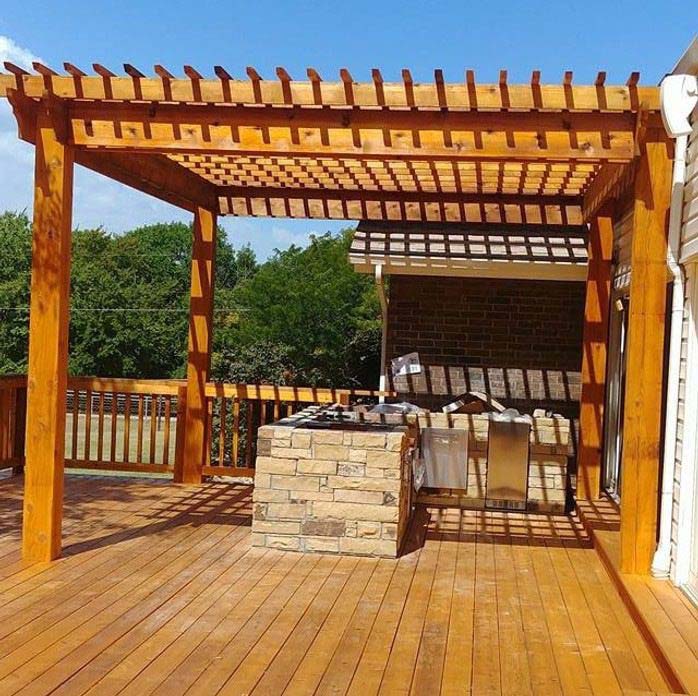
How to Prepare Your Fence or Deck for Staining in OKC
How to Prepare Your Fence or Deck for Staining in OKC
Overview
Proper preparation is the most important step in any exterior wood staining job. In Oklahoma City, that means power washing to remove dirt, mildew, and old stain buildup, then allowing adequate dry time typically 24 to 48 hours before any product is applied. Skipping or rushing prep is the primary reason stain peels or fades prematurely. The stain itself is only as good as the surface it goes onto, and that surface has to be clean, dry, and ready to absorb.
Get a Free Estimate Thiessen Painting serves Yukon, OKC, Mustang, Edmond, and the surrounding metro. Visit paintersinokc.net to get started.
Why Prep Work Makes or Breaks a Stain Job
What Happens When Wood Isn't Properly Cleaned
Wood that hasn't been properly cleaned before staining has a layer of surface contamination sitting between the stain and the grain. That layer dirt, mold, old stain residue, green algae, or dried clay dust common to the OKC area blocks absorption and prevents the new product from bonding the way it's supposed to.
The result looks fine at first. But within a season or two, you'll see uneven fading, peeling along the edges, or stain that rubs off with light pressure. The job has to be redone, and the prep that was skipped the first time has to be done anyway. It's a shortcut that costs more in the end.
The Difference Between DIY Prep and Professional Prep
Homeowners can handle some prep tasks on their own clearing the area, moving furniture, turning off sprinklers. But the core prep work power washing, assessing wood condition, applying wood brightener where needed is where professional experience matters.
Pressure settings, nozzle selection, distance from the surface, and technique all affect whether the wash cleans the wood or damages it. Wood that's over-washed with too much pressure raises the grain and creates surface fuzz that absorbs stain unevenly. Under-washing leaves contamination behind. Getting it right is straightforward for an experienced crew it's harder than it looks if you haven't done it before.
The Prep Process Step by Step
Power Washing: Pressure, Distance and Technique
The power wash is the foundation of any good stain prep. For fences and decks, the goal is removing loose material, mold, mildew, dirt, and old stain residue without damaging the wood fibers underneath.
For most residential wood surfaces, that means a lower-pressure setting than you'd use on concrete typically 500 to 1,200 PSI depending on the wood species and condition. Soft woods like cedar and pine are more vulnerable to fiber damage than hardwoods, so technique matters. A fan tip is usually preferred over a pinpoint nozzle, and the wand is kept moving at a consistent distance usually 12 to 18 inches from the surface to avoid gouging.
After washing, a wood brightener is often applied to neutralize the pH of the wood and open the grain for better stain absorption. It's a step that makes a measurable difference in how evenly the stain takes, especially on older wood.
Dry Time, Sanding and Surface Assessment
After washing, the wood needs time to dry completely before staining begins. In Oklahoma City's climate, that typically means 24 to 48 hours depending on weather conditions, sun exposure, and wood thickness. Rushing dry time is one of the most common causes of premature stain failure.
While the wood is drying, a good crew also assesses the surface for issues that need to be addressed before staining: cracked or split boards, loose fasteners, areas where old stain has built up unevenly, and any spots where mold may have penetrated the wood rather than just sitting on the surface.
On surfaces where the grain has been raised by washing or weathering, light sanding smooths the fibers and helps the stain go on more evenly. It's not always required, but it makes a noticeable difference on older or heavily weathered wood.
Wondering what your fence or deck actually needs before it can be stained? Get a Free Estimate and Thiessen Painting will get back to you fast.
What Homeowners Can Do Before the Crew Arrives
Moving Furniture and Landscaping
The biggest thing homeowners can do to help a staining job go smoothly is clear the work area before the crew arrives. That means moving patio furniture, grills, planters, and any outdoor items off the deck. For fences, it means pulling potted plants away from the fence line and trimming any shrubs or vines that are growing into the wood.
Leaving obstacles in place on job day slows the process and can create spots that get missed during prep or application. The more open access the crew has to the surface, the cleaner and more consistent the result.
Turning Off Sprinklers and Clearing the Area
Irrigation is one of the most common issues that comes up on staining jobs. Sprinklers that run on a timer can wet freshly washed wood or worse hit newly applied stain before it's had time to cure. Make sure irrigation systems covering the fence or deck area are turned off at least 48 hours before the scheduled start and kept off for 24 to 48 hours after application depending on the product used.
Also worth noting: pets should be kept inside or away from the work area during prep and application. Stain is not something you want tracked through the house, and curious dogs have a way of walking through wet surfaces at exactly the wrong moment.
Frequently Asked Questions
How long does wood need to dry before staining?
Typically 24 to 48 hours after power washing, depending on weather, sun exposure, and wood thickness. The wood should look and feel completely dry not just surface dry, but dry through the grain. If shaded areas still look darker than sun-exposed areas, it's not ready. Rushing dry time is one of the most common causes of premature stain failure in Oklahoma's humid climate.
Can you stain a fence without power washing it first?
Technically yes, but it's not recommended. Surface dirt, mold, and old stain residue prevent the new product from bonding properly with the wood. A fence that hasn't been washed before staining will show uneven color, faster fading, and adhesion issues within a year or two. Proper washing is the step that determines how long the job actually holds up.
Do I need to sand my deck before restaining?
Not always, but sometimes. If the existing stain has worn evenly and the wood grain is in good shape, sanding may not be necessary. If the surface has rough raised grain from weathering or previous power washing, light sanding before staining produces a smoother, more even finish. A crew doing a thorough prep assessment will flag this if it's needed.
What if my fence has mildew or green algae on it?
Mildew and algae are common on Oklahoma fences, especially on north-facing sections or areas with regular irrigation. Power washing with an appropriate cleaning solution removes surface growth effectively. If the mildew has penetrated deeper into the wood, a wood cleaner or brightener applied after washing helps neutralize it. Staining over active mildew without treating it first will cause the stain to fail and the growth to return faster.
Get a Free Estimate Thiessen Painting offers free estimates in Yukon, OKC, Mustang, Edmond, and the surrounding metro. Visit paintersinokc.net or call to get on the schedule.