
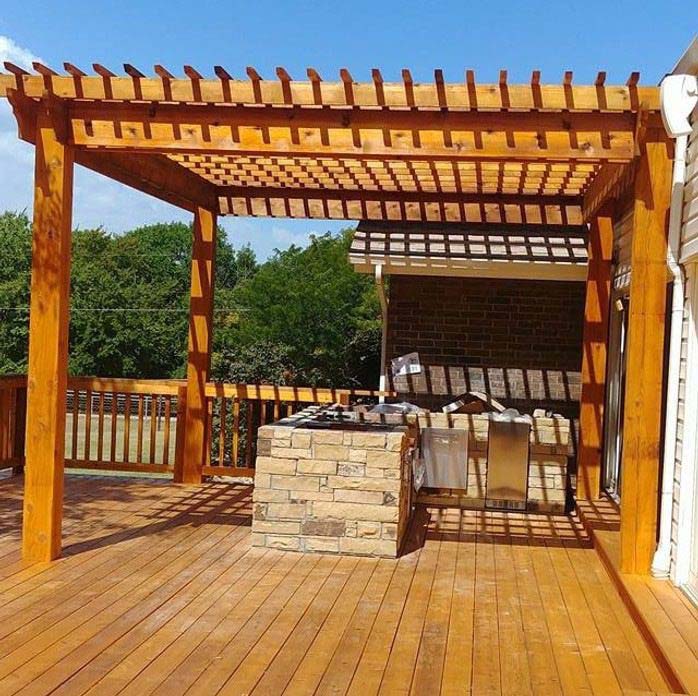
Pergola Staining in Oklahoma City: Protecting Your Outdoor Wood from Oklahoma Weather
Overview
Pergola staining in Oklahoma City is a critical step in protecting your outdoor structure from the elements that define this climate - intense UV, Oklahoma's relentless wind, and humidity that stays elevated year-round. Untreated or neglected pergola wood grays out, develops surface cracks, and can begin to warp as moisture cycles take effect. A properly stained pergola typically stays protected for two to four years depending on sun exposure, and professional application makes a real difference in how evenly the product covers and how long it holds. Choosing the right product for Oklahoma's specific conditions is something an experienced local crew brings to every job.
Get a Free Estimate - Thiessen Painting serves Oklahoma City, Yukon, and the surrounding metro - contact us to get started.
How Oklahoma Weather Breaks Down Pergola Wood
Sun Exposure and UV Fading
Pergolas are designed to be in the sun, which means they take the full force of Oklahoma's UV exposure. That's not a small thing. The UV index in the OKC area regularly hits high and very high levels through late spring, summer, and into September. Over time, that UV breaks down the wood's surface - bleaching color, degrading the grain structure, and drying the wood out in ways that make it more susceptible to cracking.
You've probably noticed a pergola that's gone gray. That's not just cosmetic - it means the surface fibers have broken down and the wood has lost its natural oils. At that stage, the wood is more porous and more vulnerable to every weather event that follows.
Wind, Rain and Seasonal Moisture
Oklahoma is consistently one of the windiest states in the country, and that wind carries grit, dust, and debris that wears down stained surfaces steadily over time. It also accelerates moisture evaporation from the wood during dry periods, which leads to cracking and checking along the grain.
Then the rain arrives. Oklahoma sees its heaviest rainfall in May, and storm season brings sudden, heavy downpours that soak wood quickly. Pergola wood that's been properly stained handles this moisture cycle better - it absorbs less water during wet periods and dries more evenly afterward. Without that protection, repeated wet-dry cycles cause warping and splitting that shortens the structure's lifespan significantly.
Staining vs. Sealing a Pergola: What's the Difference?
When to Stain vs. When to Seal
Staining and sealing are related but different. A stain adds color pigment to the wood while also providing UV and moisture protection. A sealer is typically clear and focuses primarily on repelling water without adding color. Some products combine both.
For most pergolas in Oklahoma City, a stain with UV inhibitors is the better choice. The color pigment in stain plays a real protective role - it absorbs and blocks UV rays in a way that a clear sealer alone doesn't. If color matching your outdoor space matters to you, stain also gives you much more flexibility than a clear coat.
That said, a clear sealer can be a reasonable choice for newer pergolas where you want to preserve the natural wood look and don't yet have significant UV damage to address.
Best Products for Oklahoma Pergolas
Oklahoma's climate demands products formulated for high UV exposure and humidity variation. Oil-based penetrating stains have traditionally performed well in this market because they soak into the wood grain rather than sitting on the surface, which means they're less prone to peeling. Water-based formulas have improved significantly in recent years and offer easier cleanup and lower VOC levels while still providing solid protection.
The specific product matters, but so does the application. A quality stain applied poorly won't outperform a mid-range stain applied correctly. Getting the surface properly prepped and the product on evenly - without lap marks or dry spots - is where professional experience makes a difference.
Request a Free Estimate - Contact Thiessen Painting and we'll assess your pergola and get you a straightforward quote.
What to Expect During a Pergola Staining Job
Prep, Application and Dry Time
The process starts with a thorough cleaning. Pergola wood catches a lot of debris - pollen, dust, spider webs, mold from moisture pockets in the joints. All of that needs to come off before any product goes down. Depending on the condition of the wood, this might mean power washing, hand-scrubbing certain areas, or applying a wood cleaner to break down surface contamination.
Once the wood is clean, it needs to dry fully - typically 24 to 48 hours in Oklahoma conditions. Then the stain goes on in controlled passes to ensure even coverage on all faces of the lumber. Pergola structures have a lot of surface area to cover and a lot of angles, so attention to coverage matters.
Dry time after application depends on the product and the weather. Most stains are dry to the touch within a few hours but need 24 hours or more before the surface gets wet again.
How Often Should You Restain a Pergola in OKC?
The honest answer is that it depends on how much sun the pergola gets. A pergola in full south-facing exposure with no shade cover is going to need attention every two to three years. One that's partially shaded or covered for part of the day can go closer to four years before needing a refresh.
The easiest way to check is the water test. Pour a small amount of water on the wood. If it beads up and sits on the surface, the stain is still doing its job. If it soaks in quickly, it's time to schedule a restain. Catching it before the wood starts graying means less prep work and better results.Frequently Asked Questions
Can you stain a pergola that's already gray?
Yes, but grayed wood requires more prep work before staining. The gray color indicates that the surface fibers have degraded, which means the wood needs a thorough cleaning and often a wood brightener treatment to open the grain and restore some of the natural surface before stain can absorb properly. Skipping that step and staining over gray wood typically results in uneven absorption and a finish that doesn't last. It can be done, but expect a more involved job.
What time of year is best to stain a pergola in Oklahoma?
Spring (March through May) and early fall (September through October) are the ideal windows. Temperatures are moderate, humidity is manageable, and you're not fighting the extreme heat of Oklahoma's summer or the cold of winter. Summer staining is possible but requires early morning application to avoid high heat that causes stain to dry too quickly on the surface. Avoid staining when rain is expected within 24 hours of application.
Does pergola staining take one day?
Usually two. Day one covers the cleaning and washing, with the wood left to dry overnight. Day two is the actual stain application. If the pergola is smaller and in good condition, an experienced crew can sometimes complete the wash and stain in a single day - but only if there's enough dry time between steps. Rushing that dry period is a common mistake that leads to uneven results.
How do I know if my pergola needs staining or replacing?
Staining is the right call when the wood is structurally sound - even if it's weathered, gray, or has surface cracks along the grain. If boards are soft, spongy, or crumbling when you press on them, that's rot, and those sections need to be replaced before staining makes sense. Stain protects sound wood - it doesn't restore wood that's already compromised. A quick inspection before scheduling a stain job can catch any boards that need attention first.
Protect your pergola before Oklahoma's weather takes a toll. Thiessen Painting offers free estimates in Yukon, Oklahoma City, and surrounding areas - reach out today to schedule yours.

Professional interior and exterior painting services serving Oklahoma City and surrounding communities. Delivering quality craftsmanship for over 28 years.
About
© 2026 Thiessen Painting - All Rights Reserved.