
How to Choose the Right Stain Color for Your Fence, Deck or Pergola in OKC
Overview
Choosing the right stain color for a fence, deck, or pergola in Oklahoma City involves more than picking a shade you like. The type of stain - transparent, semi-transparent, or solid - determines how much color the wood shows versus how much coverage the product provides, and each option performs differently under Oklahoma's intense UV exposure. Natural and semi-transparent stains tend to hold up well in this climate because the pigment works with the wood grain rather than sitting on top of it. Solid stains offer more design flexibility but can peel over time, particularly on surfaces with foot traffic. The condition of your wood and the direction it faces both factor into making the right call.
Get a Free Estimate - Thiessen Painting serves Yukon, Oklahoma City, and surrounding areas - contact us to get started.
Understanding Stain Types: Transparent, Semi-Transparent and Solid
Which Type Works Best in Oklahoma's Climate?
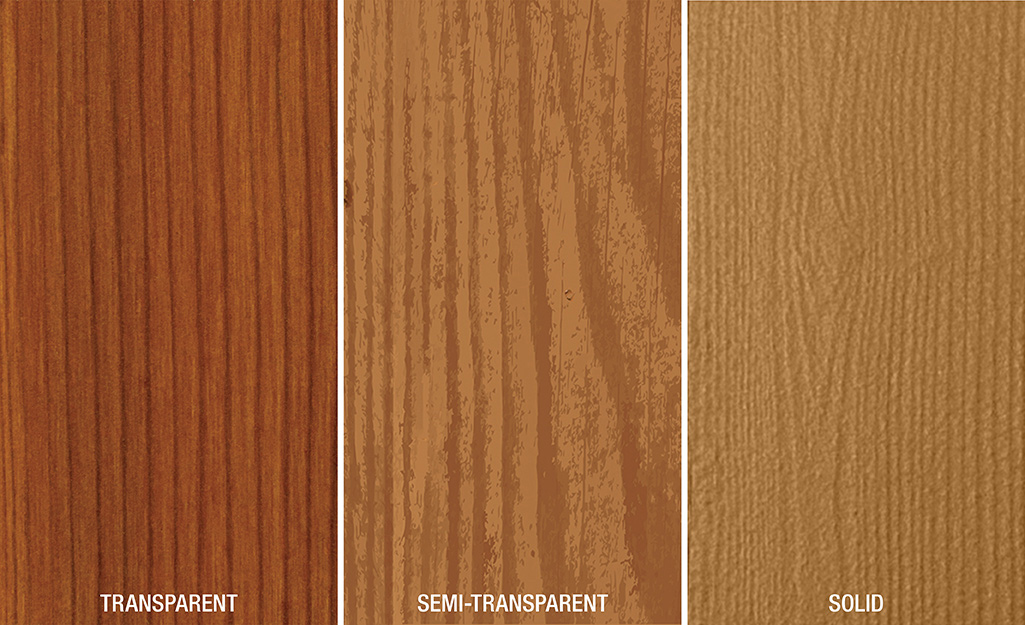
Transparent stains let the natural grain show almost entirely and provide a light layer of water repellency. They're best suited for new, high-quality wood where you want to preserve the natural look. The tradeoff is longevity - transparent stains offer the least UV protection and typically need refreshing most frequently.
Semi-transparent stains are the most common choice for fences, decks, and pergolas in the OKC area. They let the wood grain show through while providing meaningful UV protection from the pigment. They penetrate into the wood rather than sitting on the surface, which makes them less prone to peeling than solid finishes. For most homeowners in Yukon and Oklahoma City, semi-transparent is the right starting point.
Solid stains function more like paint - they cover the grain entirely and provide the highest level of UV and moisture protection. They're a good choice for wood that's older or has surface damage that needs to be covered uniformly. The downside is that solid stains, especially on horizontal surfaces like decks, can peel under heavy foot traffic and are harder to maintain over time once they start to fail.
When to Use Each Based on Wood Condition
New or lightly weathered wood in good condition is the best candidate for a transparent or semi-transparent stain. The grain is clean and the wood will absorb the product evenly.
Wood that has gone gray, has significant fading, or has developed surface checking is a better candidate for a semi-transparent or solid stain. The heavier pigment and coverage help even out the appearance and provide more protection to a surface that's already taken some damage.
If you're switching from a solid stain or paint to a semi-transparent, the old finish needs to be fully removed first - semi-transparents won't absorb properly over a surface film that's still intact.
Matching Stain to Your Home's Exterior
Coordinating with Your Home's Paint or Brick
The most common mistake in stain color selection is choosing a color in isolation rather than in relation to the rest of the home's exterior. A fence or deck that clashes with the house siding or brick draws attention to the contrast rather than adding to the overall look.
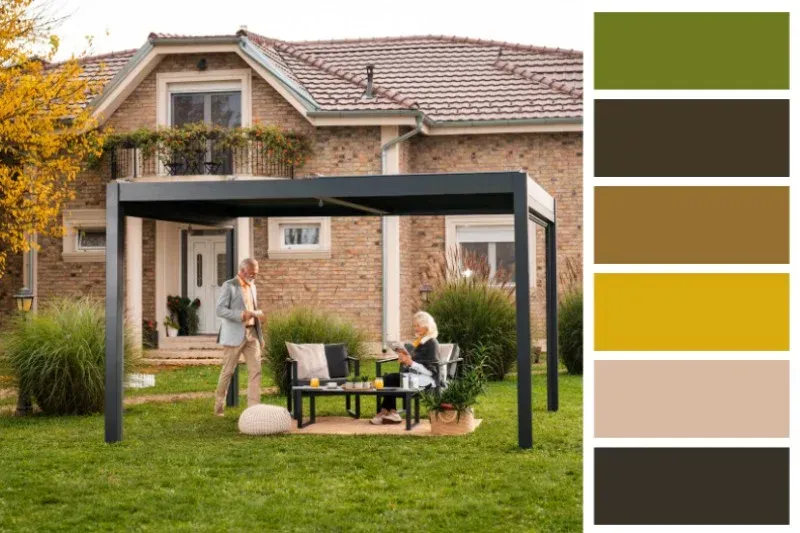
For brick homes - which are common throughout Yukon and the OKC metro - warm browns, medium tans, and cedar tones typically read well alongside the warm red and orange tones of standard Oklahoma brick. For homes with cooler or gray siding, driftwood grays and weathered natural tones tend to work better than warm browns.
When in doubt, look at the dominant undertone of your home's exterior - warm or cool - and match the stain to that same temperature range.
Popular Color Choices for OKC Homes
Warm browns and natural cedar tones are consistently the most popular choices for cedar fences throughout the OKC area. They complement brick, blend into landscaping, and read as clean without being stark. Medium cedar and rustic brown are two of the most frequently requested finishes.
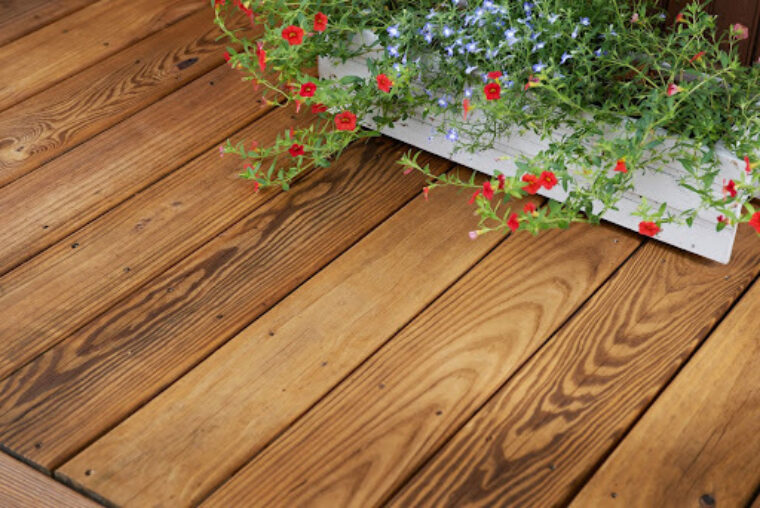
For decks, natural wood tones that stay close to the wood's original color are popular among homeowners who want a maintained look without a dramatic color change. Darker stains - rich browns and deep walnut tones - add definition and hide surface variation in older wood.
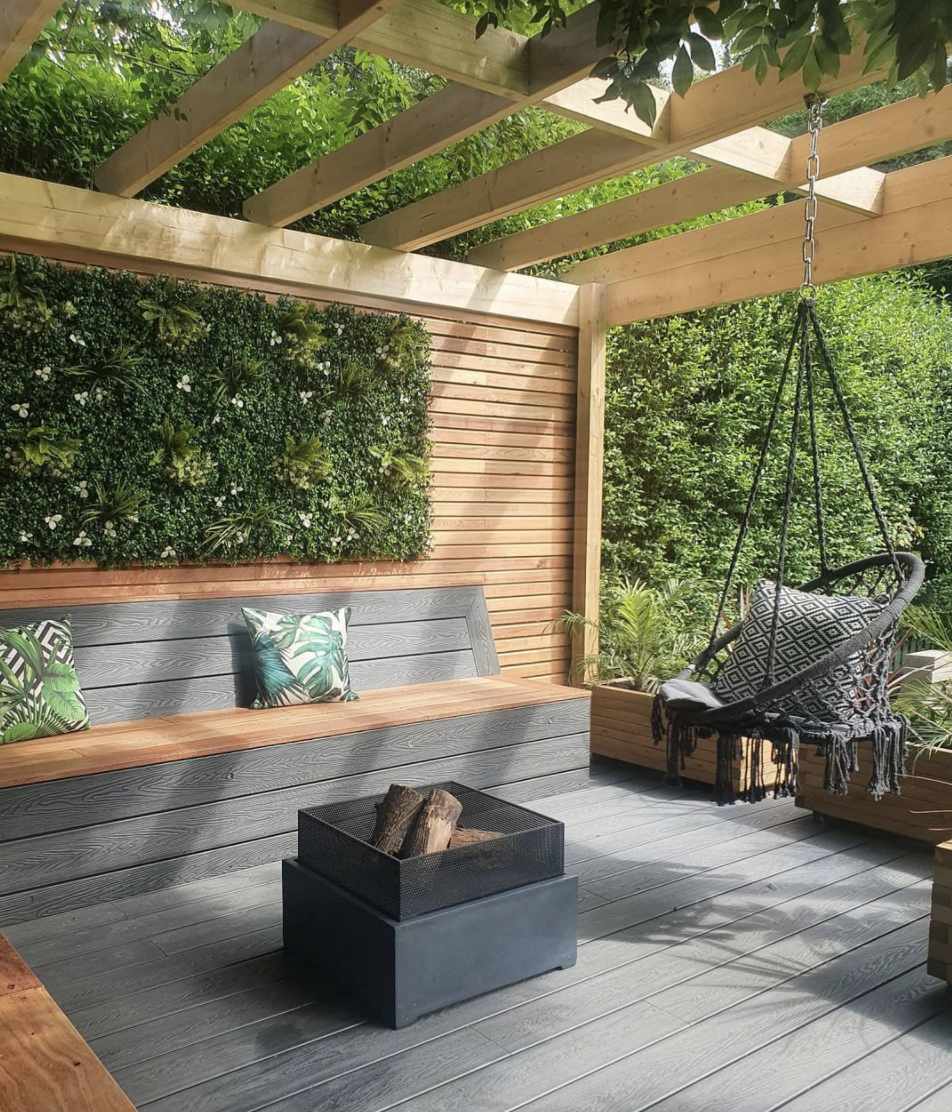
Pergolas often see similar color choices as decks to keep the outdoor space cohesive, though some homeowners go with a slightly lighter tone on the pergola to reduce heat absorption on a structure that's directly in the sun.
Request a Free Estimate - Contact Thiessen Painting and we'll help you think through product and color for your specific surface.
How Sun Exposure and Wood Age Affect Your Color Choice
South-Facing Surfaces and Fading
All stain colors fade under UV exposure, but lighter tones fade more visibly than darker ones. A light natural or tan stain on a south-facing fence that gets full sun all day will show fading noticeably within two years. A medium or darker brown on the same fence will hold its appearance longer because there's more color in reserve as the surface fades.
If your fence or deck faces south or west and gets significant direct sun, consider going one shade darker than your instinct suggests. The finished product will look right when it's fresh, and it will still look good two years later when a lighter stain would already look washed out.
Older Wood: When to Go Darker
Older wood that has developed uneven color - patches of gray, dark streaks from tannins, inconsistent weathering - is harder to cover uniformly with a transparent or light semi-transparent stain. The variation underneath shows through. A medium to darker semi-transparent or a solid stain does a better job creating a consistent appearance on wood that's seen a few seasons of Oklahoma weather.
This doesn't mean you're locked into a dark stain permanently. Once you've done a restain with heavier coverage and the surface is in better shape, you can sometimes transition back to a lighter tone with a thorough prep cycle. A professional can assess what's realistic for your specific wood condition.
Frequently Asked Questions
Can you change the stain color when you restain?
Yes, with some limitations. Going darker is relatively straightforward - a darker stain can go over a lighter one as long as the surface is properly cleaned and prepped. Going lighter is harder. A lighter semi-transparent stain over a darker one will rarely fully cover the old color - the existing tone bleeds through. To go significantly lighter, the old stain needs to be stripped or the surface sanded down first. Going from a solid stain to a semi-transparent requires full removal of the old solid finish.
Do lighter or darker stains last longer in Oklahoma?
Darker stains typically hold their appearance longer under Oklahoma's UV exposure because they contain more pigment, which absorbs UV before it reaches the wood. A lighter stain will show fading sooner even if the protective properties are similar. That said, both need to be restained on a similar schedule - the difference is more about how it looks as it ages than how long it actually protects the wood.
What stain colors are most popular for cedar fences in OKC?
Warm cedar tones, medium browns, and rustic natural finishes are consistently the most popular choices for cedar fences throughout the Oklahoma City metro. These shades complement the warm tones of brick homes common in the area and tend to hold their appearance well through Oklahoma's weather cycles. Darker walnut and mahogany tones are popular for homeowners who want more definition or are covering older, uneven wood.
Should my fence stain match my deck stain?
They don't have to match exactly, but coordinating the two creates a more intentional look across your outdoor space. Using stains from the same product line in similar tones - or the exact same color - makes the fence and deck feel like they belong together rather than two separate decisions. If the structures are visible from the same vantage point, coordination is worth the extra thought. If the fence is around the front yard and the deck is in the back, they can each stand on their own.
Ready to refresh your fence, deck, or pergola? Thiessen Painting offers free staining estimates in Yukon, Oklahoma City, and the surrounding area - reach out to get yours scheduled.

Professional interior and exterior painting services serving Oklahoma City and surrounding communities. Delivering quality craftsmanship for over 28 years.
About
© 2026 Thiessen Painting - All Rights Reserved.