
How Long Does Exterior Wood Stain Last in Oklahoma? (Fence, Deck & Pergola
Overview
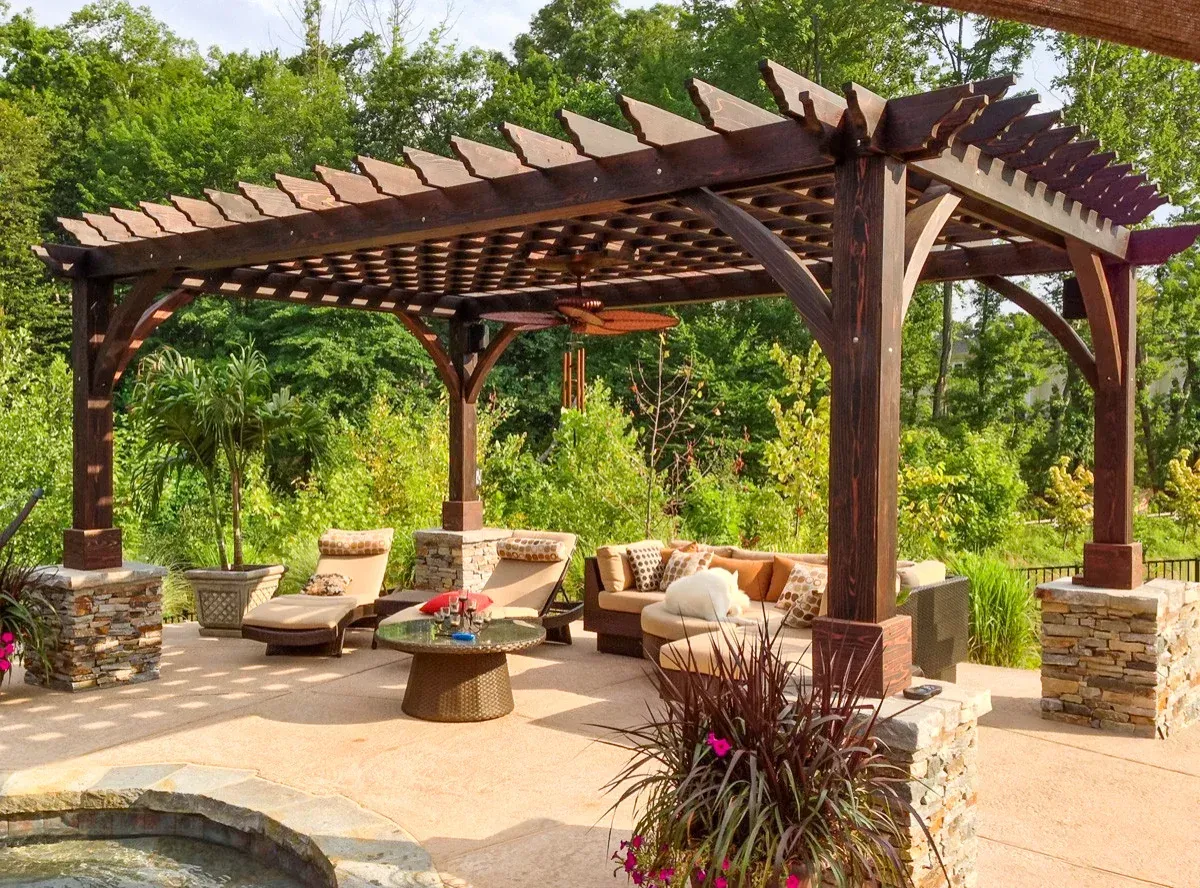
Exterior wood stain in Oklahoma typically lasts two to four years depending on the surface type, sun exposure, and quality of the product and application. Fences in full sun and wind - especially on south or west-facing exposures - often need restaining every two to three years. Deck surfaces see heavy foot traffic that accelerates wear, while covered or shaded pergolas can sometimes hold closer to four years before needing a refresh. Oklahoma's UV intensity, high winds, and humidity that peaks in late spring make regular inspection and timely restaining essential - waiting too long means more prep work and higher costs to bring the wood back.
Get a Free Estimate - Thiessen Painting serves Yukon, Oklahoma City, and surrounding areas - contact us to schedule a free estimate.
Why Oklahoma's Climate Affects Stain Longevity
UV Intensity and Sun Exposure
Oklahoma consistently records some of the highest UV index readings in the continental US during summer months. UV light degrades stain in two ways: it breaks down the color pigments, causing fading, and it attacks the wood fibers underneath, causing graying and surface cracking. Products without strong UV inhibitors don't stand much of a chance here.
The direction your fence or deck faces changes how fast this happens. A south-facing fence runs hot all day and fades faster than one on the north side of a property. A deck that's fully exposed takes more UV damage than one that sits under a covered patio. When estimating how long a stain job will last, sun exposure is the single biggest variable.
Humidity, Wind and Oklahoma's Weather Swings
Oklahoma's humidity ranges from 60 to 73 percent year-round, peaking in May. That consistent moisture causes wood to absorb and release water repeatedly - expanding when wet, contracting when dry. Over time, that constant movement stresses the stain film and creates micro-cracks that let more moisture in, accelerating the cycle.
Wind adds to this. Oklahoma is one of the windiest states in the country, and that wind carries particulates that act like fine sandpaper on stained surfaces over months and years. Add in hailstorms and the rapid temperature swings between seasons, and you have a climate that genuinely tests exterior finishes year-round.
Expected Lifespan by Surface Type
Fence Stain Longevity in OKC
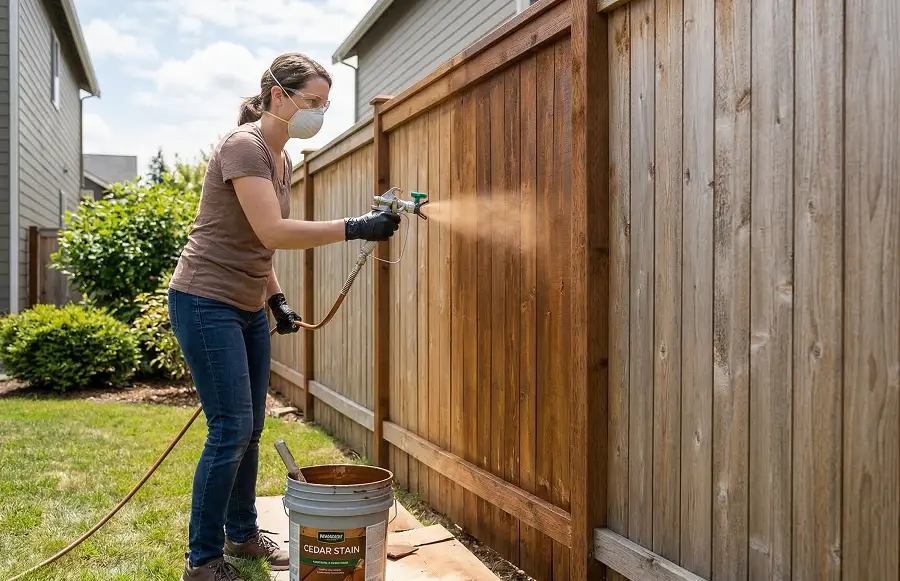
Fence staining in Oklahoma City typically lasts two to three years before the wood shows signs that it needs attention. The vertical face of fence boards sheds water reasonably well, but the top edges and end grain are vulnerable - they absorb moisture directly and often show wear first. Fences that get regular irrigation overspray wear down even faster.
Cedar is the most common fence wood in the OKC area and accepts stain well when properly prepped. Pine is less forgiving and tends to show wear sooner. The quality of the stain matters, but so does how well the surface was prepped before application. A stain job on a thoroughly cleaned, properly dried fence will outlast one on a surface that wasn't given adequate prep time.
Deck and Pergola Stain Longevity
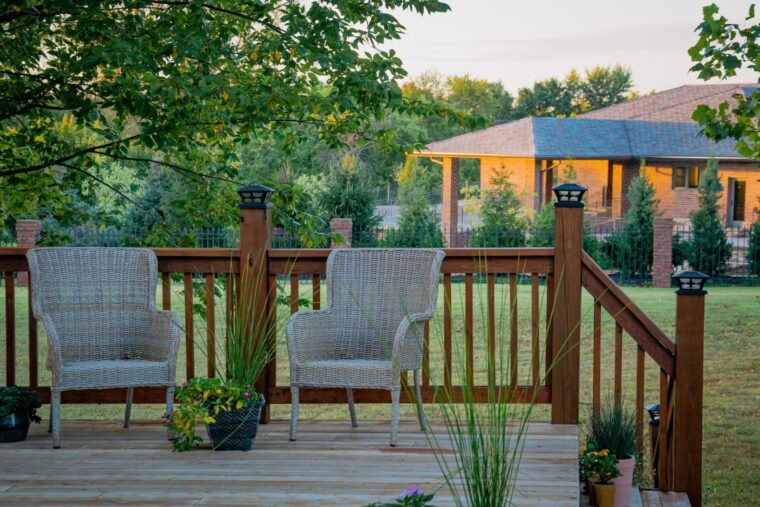
Decks get foot traffic that fences and pergolas don't, which accelerates wear on horizontal surfaces. Most decks in Yukon and Oklahoma City are on a two-to-three-year schedule for restaining. High-traffic areas near doors and steps tend to show wear first.
Pergolas often last a little longer because they're above head height and take less physical contact. Shaded pergolas in particular can push toward four years. The joints and horizontal members that hold standing water or debris tend to be the first areas to need attention.
Request a Free Estimate - Contact Thiessen Painting for a straightforward quote on your fence, deck, or pergola.
Signs Your Stain Is Wearing Out (Before It Becomes a Problem)
Visual Cues to Watch For
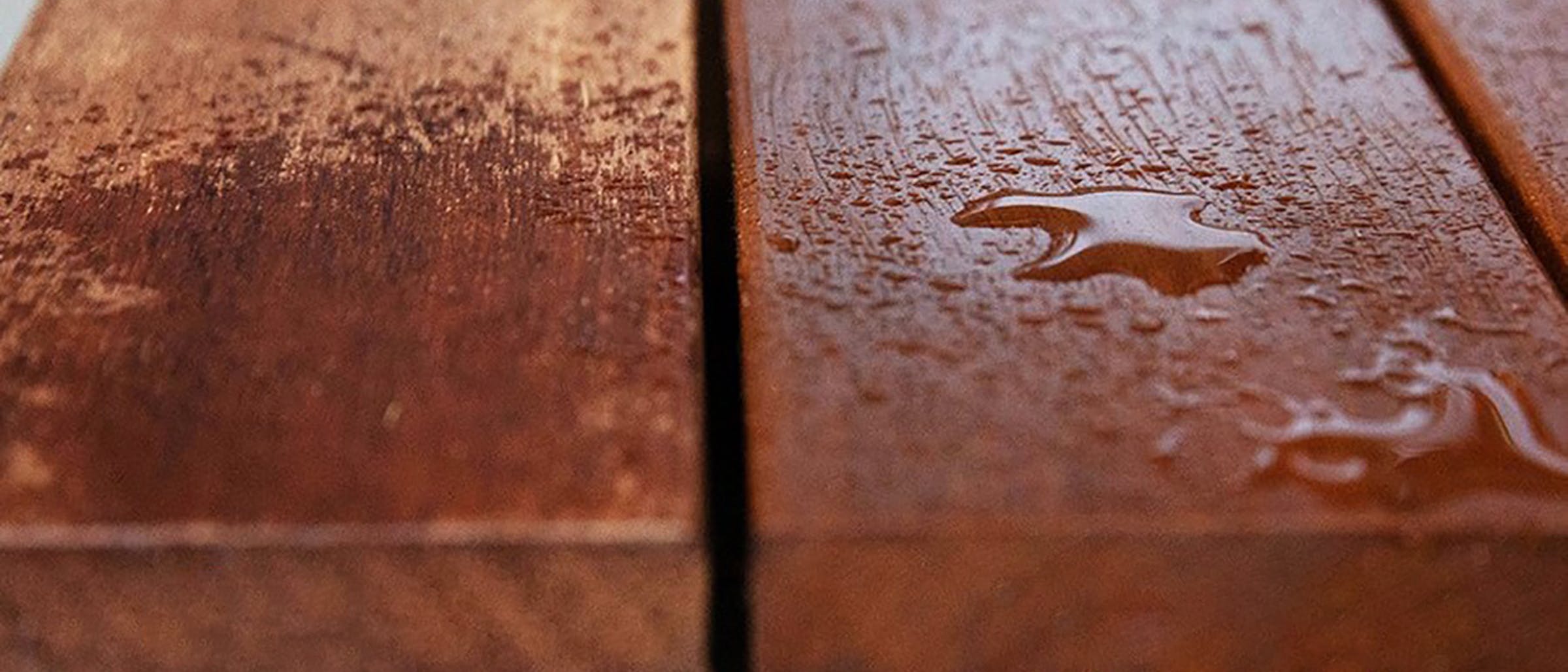
The most reliable field test is simple: pour a small cup of water on the surface. If it beads up, the stain is still working. If it soaks in within a few seconds, the stain has worn through and the wood is absorbing moisture unprotected. Don't wait for that test to fail dramatically - once water is soaking in consistently, the wood is already accumulating moisture damage with every rain.
Other visual signs include fading or uneven color, wood that has shifted toward gray, surface checking (small cracks along the grain), raised grain that feels rough to the touch, and dark spots or streaking from mildew. Any of these indicates it's time to schedule a restain.
The Cost of Waiting Too Long
When stain fails and wood is left unprotected through multiple seasons, the prep work required before the next stain job increases significantly. Wood that has gone gray and rough needs a wood brightener treatment and possibly sanding before it can accept stain evenly again. Boards that have absorbed too much moisture and started to check or warp may need to be replaced entirely.
Restaining on a reasonable schedule - before the wood is in obvious distress - is consistently cheaper and produces better results than doing a full restoration after neglect. A two-to-three-year cycle means a relatively straightforward job each time. Waiting five years means a much harder job and less predictable results.
Frequently Asked Questions
What's the best exterior wood stain for Oklahoma?
Products formulated with UV inhibitors and mold and mildew resistance perform best in Oklahoma's climate. Oil-based penetrating stains have a strong track record in this market because they soak into the wood grain rather than forming a surface film that can peel. High-quality water-based formulas have improved significantly and are a viable option with easier cleanup. Brand-specific recommendations depend on the surface and condition of the wood - a professional assessment helps narrow down the right product for your specific job.
Does the brand of stain affect how long it lasts?
Yes, but it's not the only factor. Product quality matters, and higher-end formulas with better UV inhibitors and binders will generally outlast budget options. But application quality and surface prep matter just as much. The best stain applied to a surface that wasn't properly cleaned or dried won't last as long as a solid mid-range product applied correctly to a well-prepped surface. Both factors - product and application - determine the outcome.
Should I restain before or after Oklahoma's storm season?
Early spring (March to April) is a good window - temperatures are mild, humidity is manageable, and you're giving the wood fresh protection before the heavy rainfall of May and the summer UV intensity. Fall (September to October) is equally good if you missed spring. Avoid staining in winter when temperatures drop below 50 degrees, as most stains won't cure properly in cold conditions.
What happens if I let my deck go too long without staining?
Once the stain has fully worn through and the wood has been unprotected through one or more wet seasons, you'll typically see graying, surface checking, and in some cases soft spots or beginning rot if moisture has had time to work into the wood. Getting back to a good result is possible, but it requires more aggressive prep - power washing, wood brightener treatment, possible sanding - and costs more than staying on a regular maintenance schedule. Boards that have developed rot need to be replaced before restaining.
Don't wait until the wood is telling you it's in trouble. Thiessen Painting offers free staining estimates in Yukon, Oklahoma City, and the surrounding OKC metro - request yours today.

Professional interior and exterior painting services serving Oklahoma City and surrounding communities. Delivering quality craftsmanship for over 28 years.
About
© 2026 Thiessen Painting - All Rights Reserved.